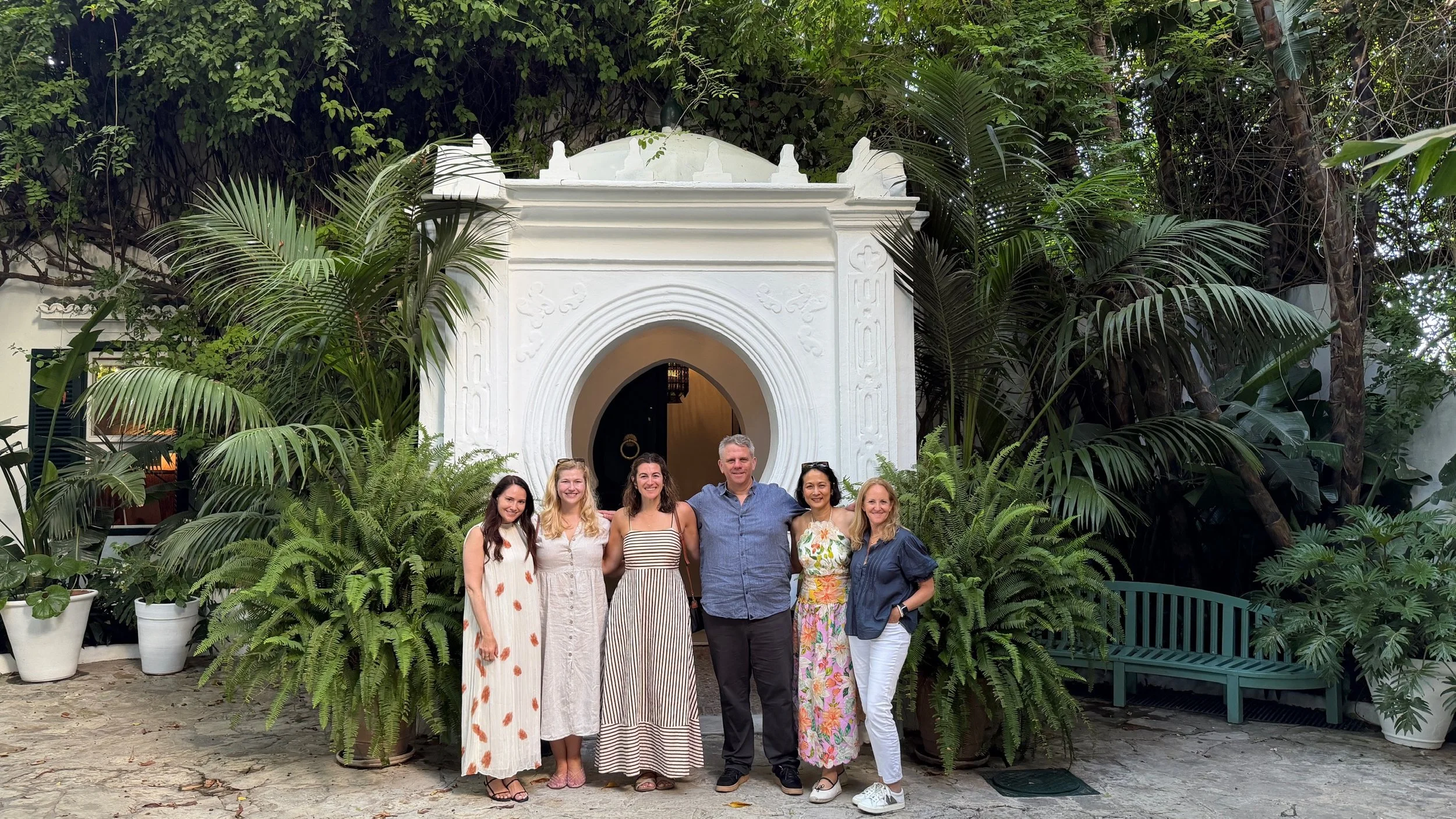
Morocco: A Country That Rewards the Curious
For 10 days, I journeyed from the windswept coast of Tangier to the Atlas Mountains, wandered through labyrinthine medinas, slept in centuries-old riads and contemporary palaces, shared tea with locals, learned centuries-old traditions, and discovered that Morocco isn't simply a destination—it's an invitation to slow down, pay attention, and embrace the unexpected.
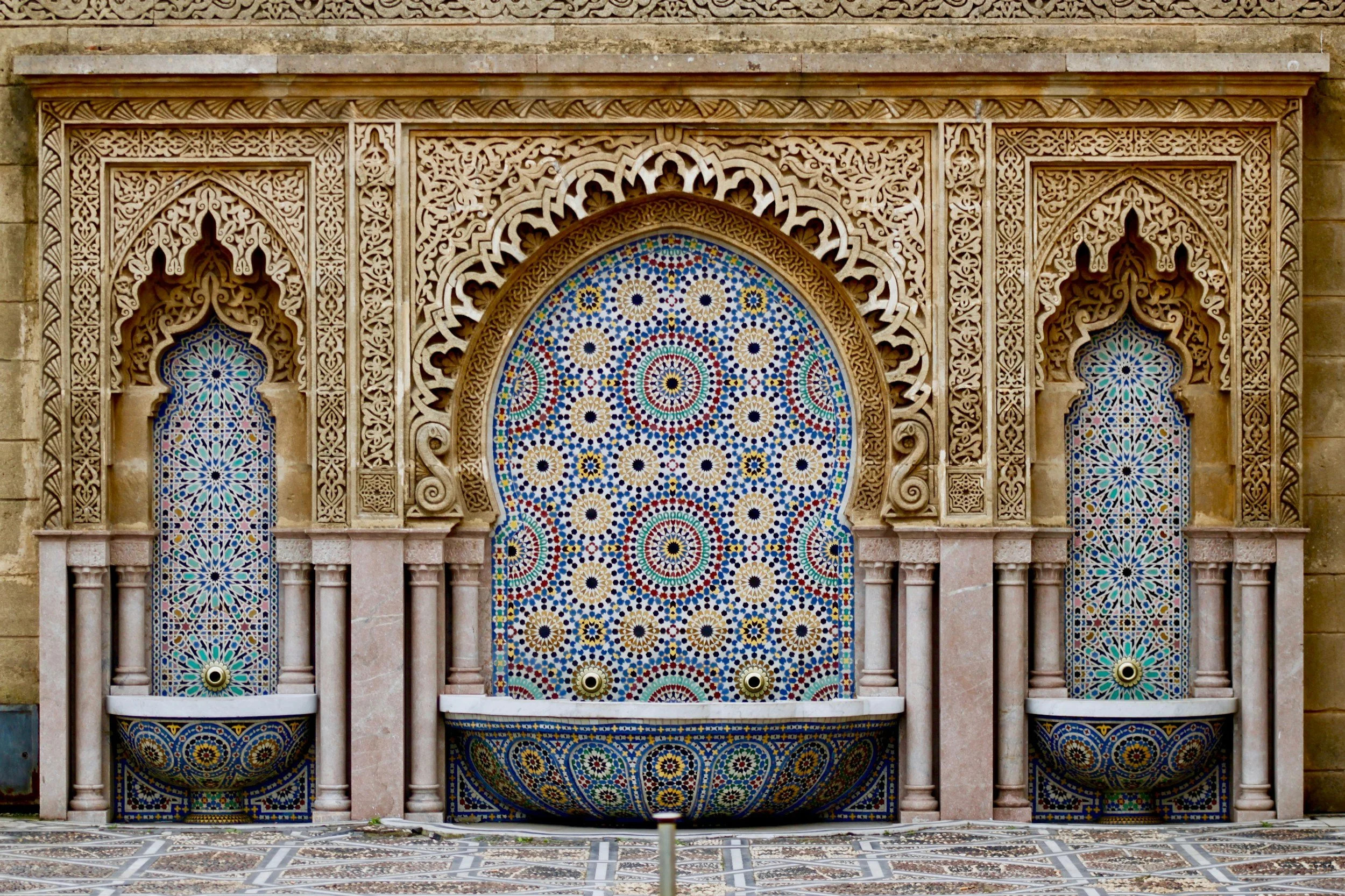
It's a country that asks you to look beyond first impressions.
And if there's one lesson I brought home, it's this: Morocco is far more nuanced, welcoming, and luxurious than most travelers imagine.
Morocco Is a Feast for the Senses
Before I arrived, everyone told me Morocco would overwhelm my senses.
They were right—but not in the way I expected.
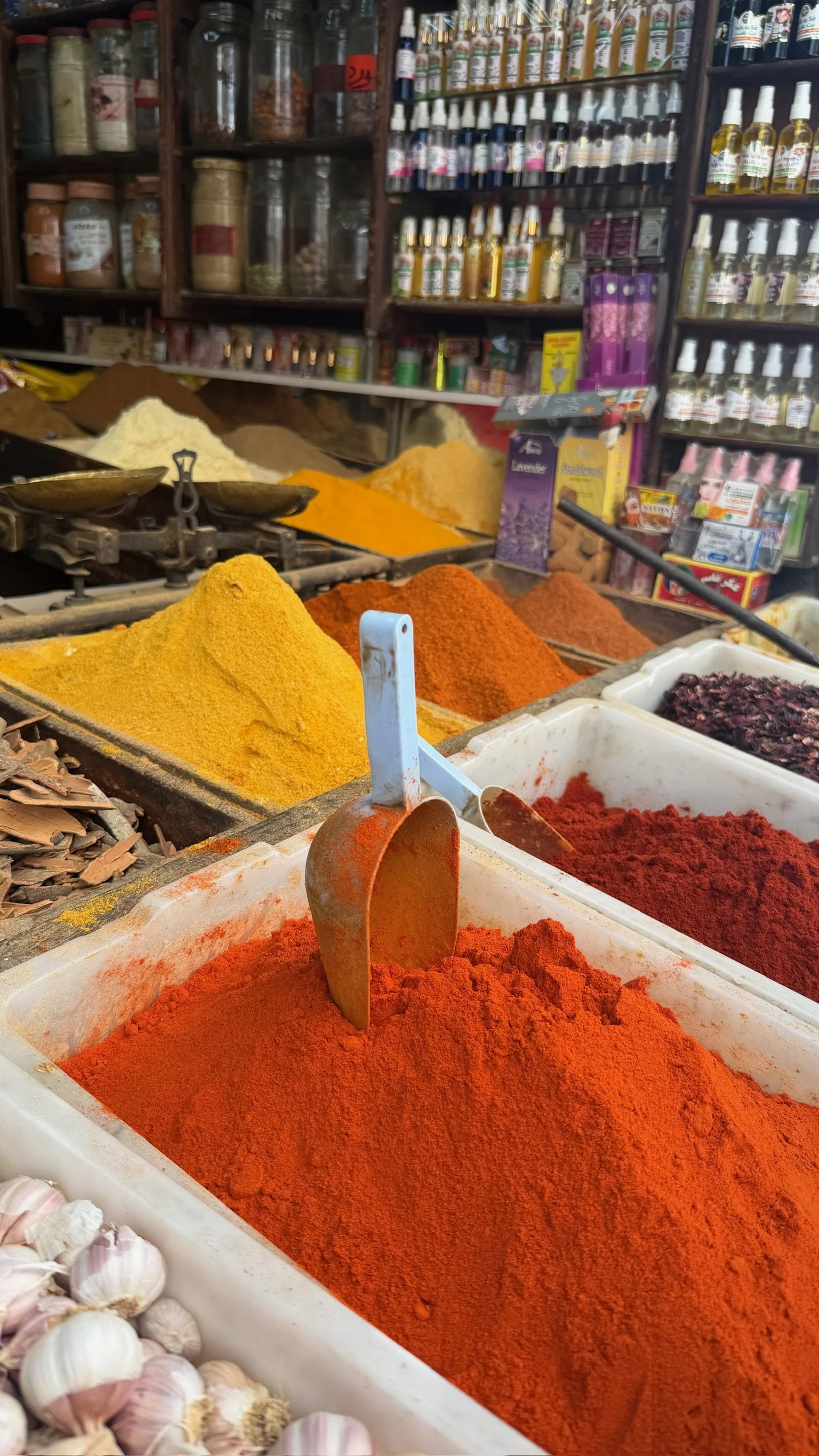
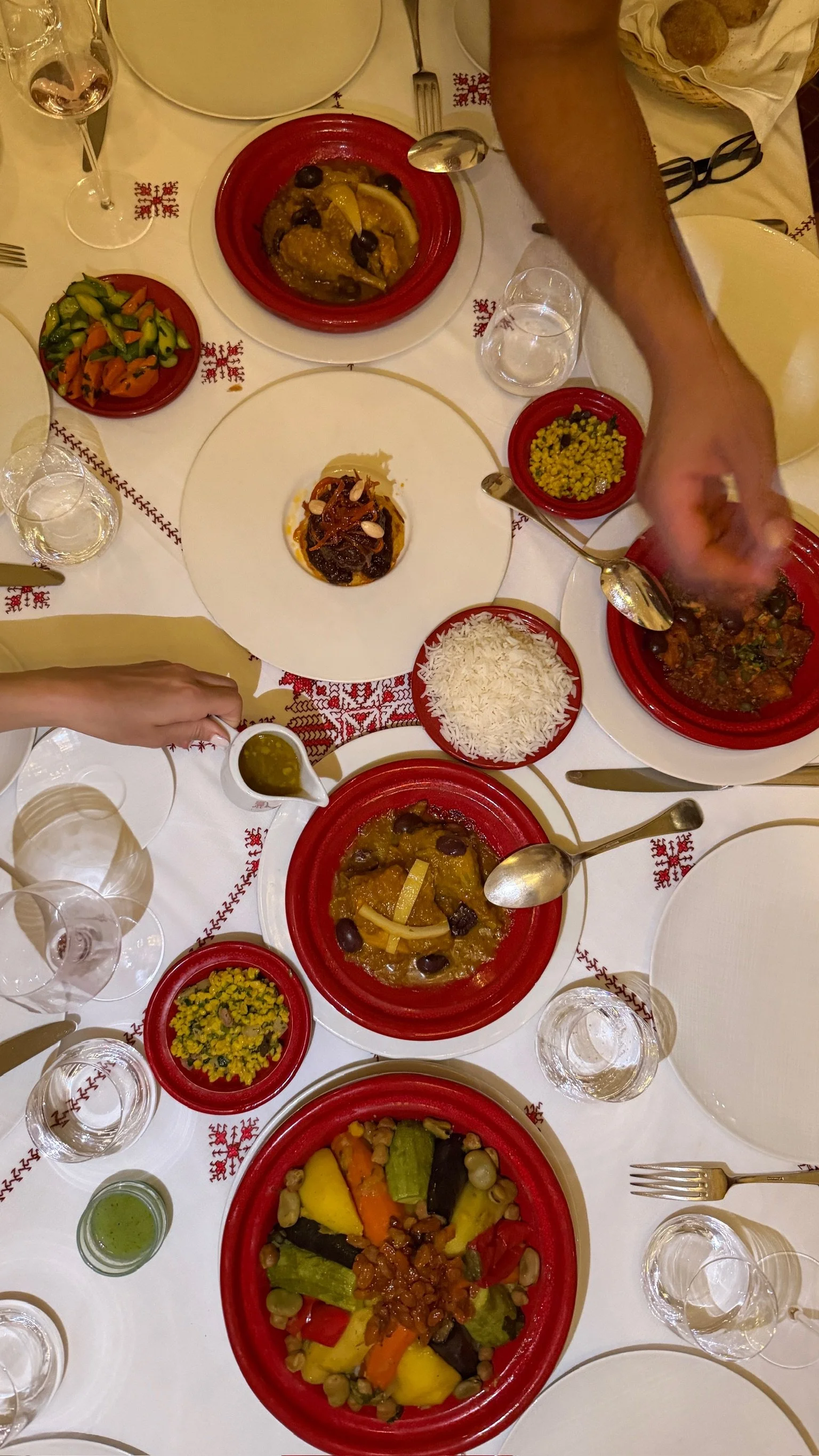
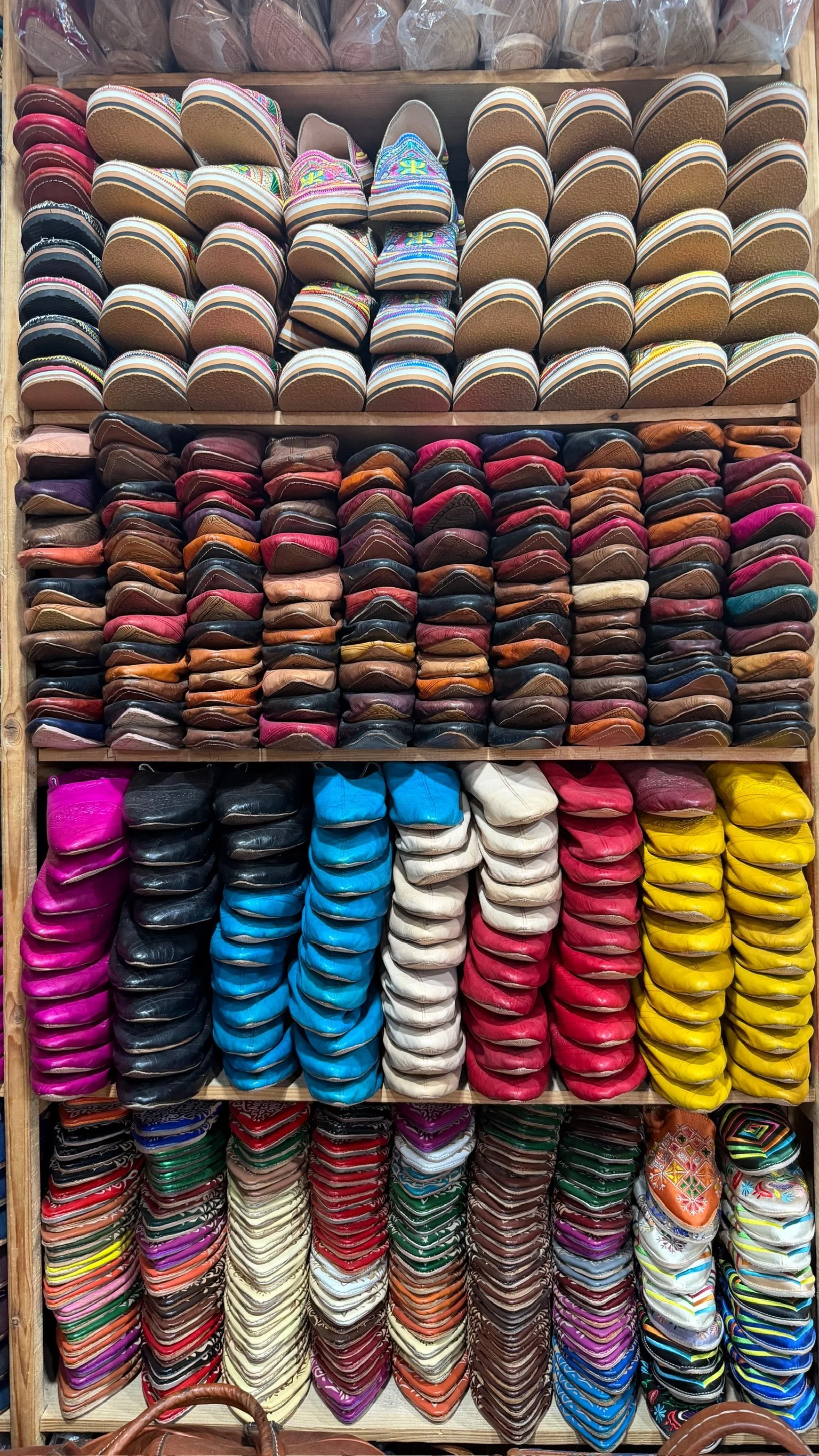
Yes, you'll hear the melodic call to prayer echo across the rooftops five times a day. You'll smell saffron, orange blossom, cedarwood, leather, and mint tea drifting through ancient alleyways. You'll see intricate zellige tilework, carved cedar ceilings, colorful spice stalls, and vibrant textiles around every corner.
But what surprised me most wasn't the sensory overload. It was the craftsmanship.
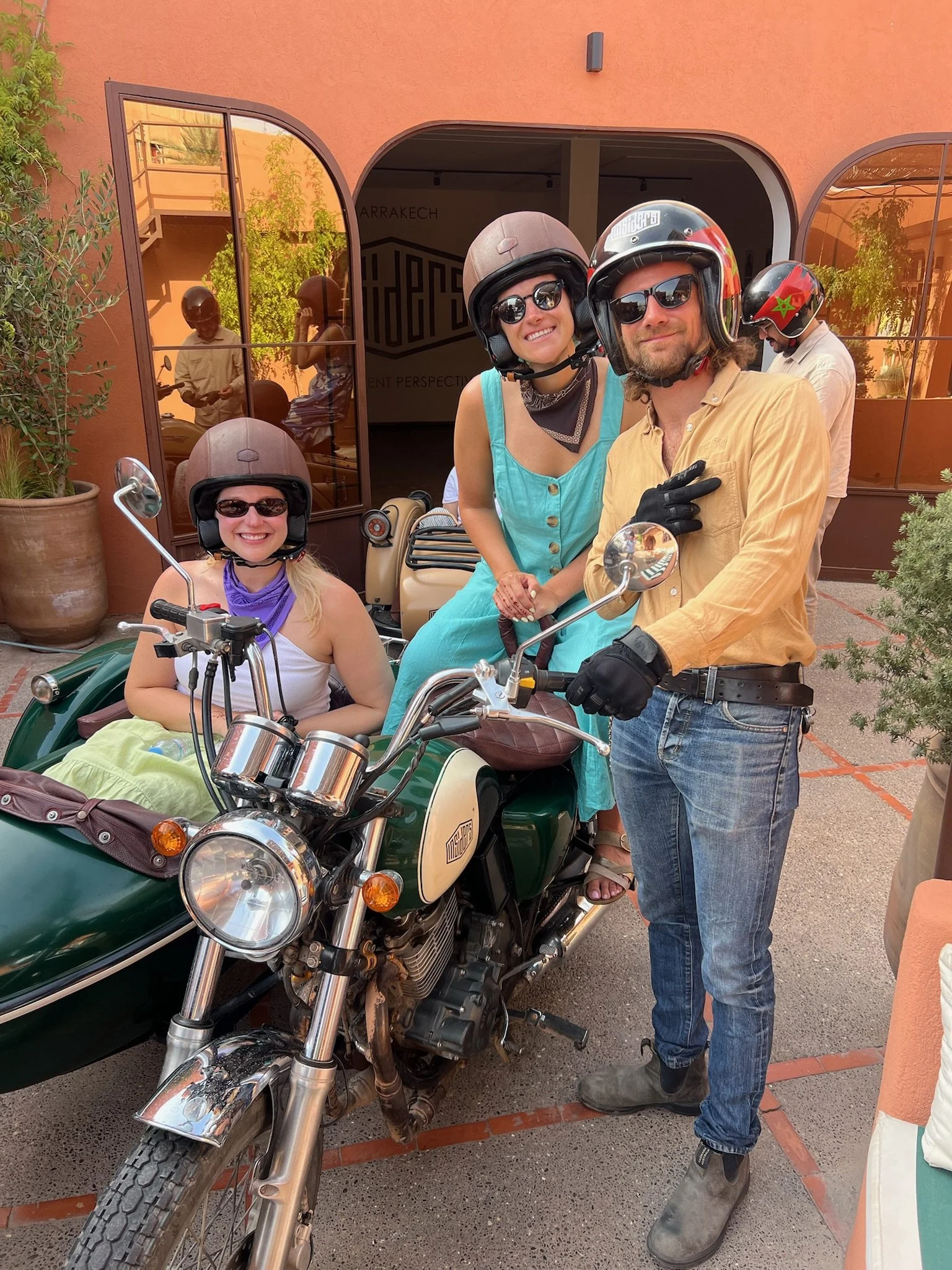
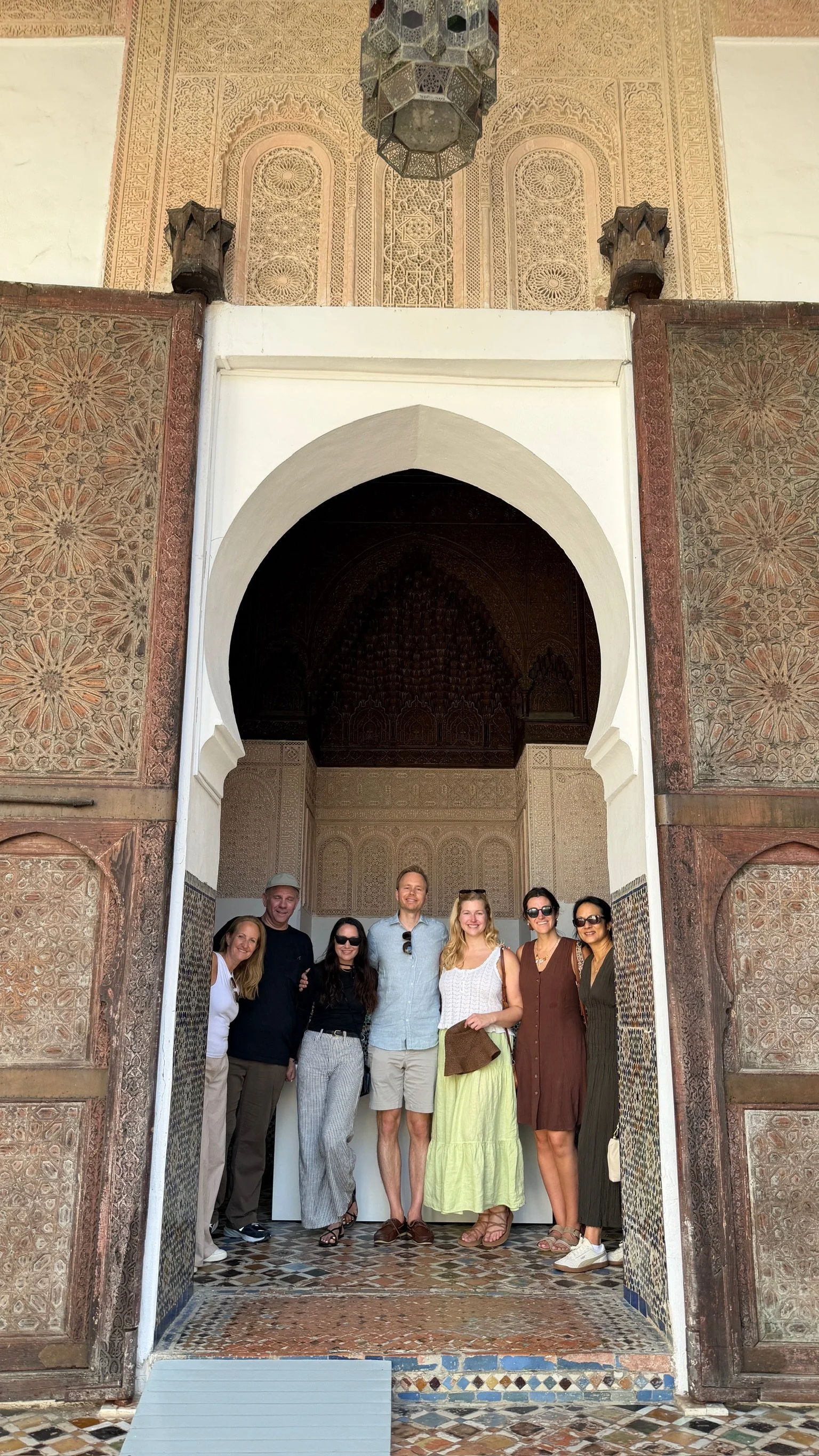
On the first day, our guide, Zayd, shared a Moroccan saying with us that stayed throughout the journey:
"Always look up."
And he was right.
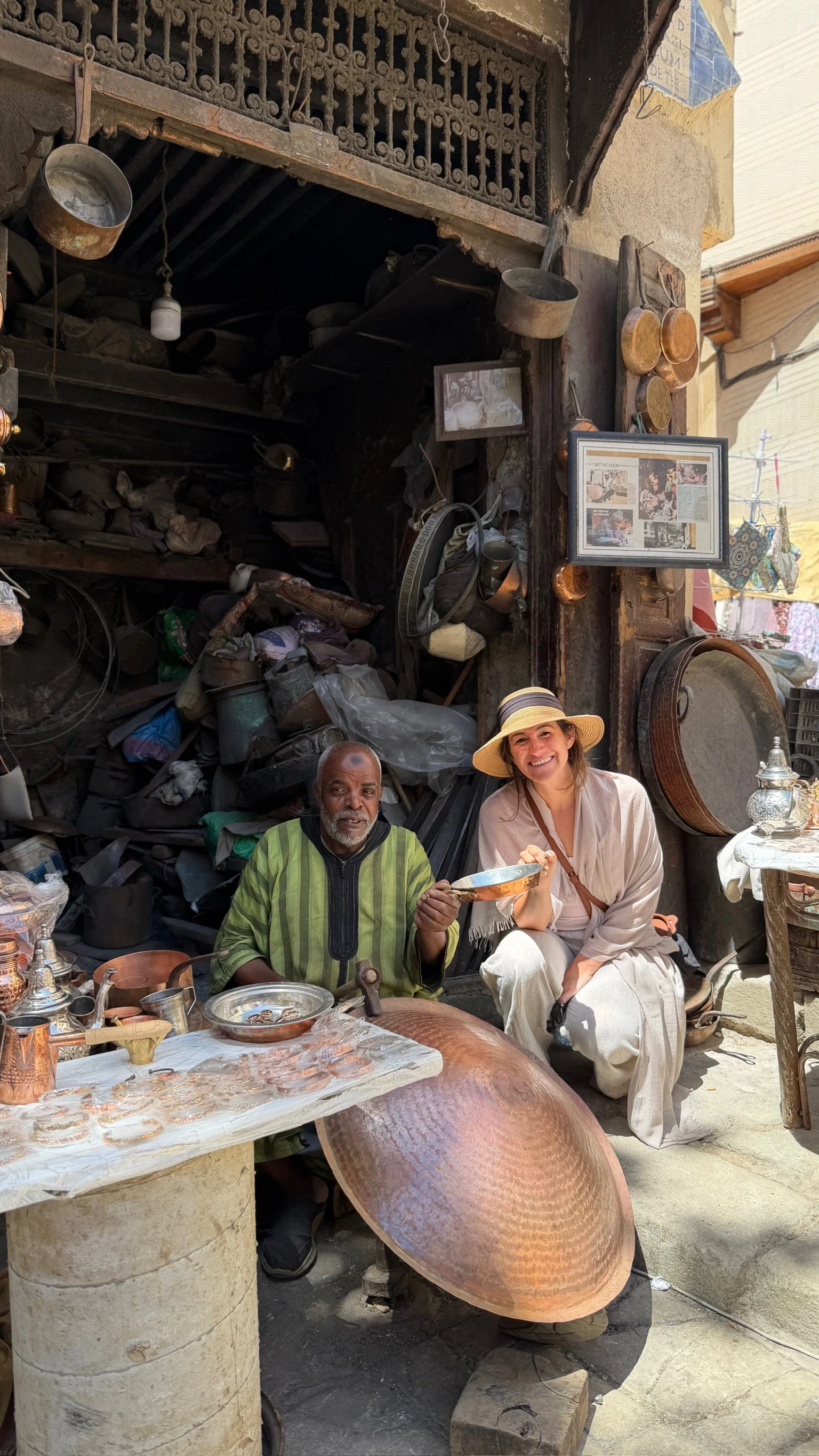
Every ceiling seemed more intricate than the last. Every carved doorway, hand-painted tile, woven rug, and brass lantern represented generations of artistry. In Morocco, beauty isn't reserved for museums—it lives in everyday life.
Tangier: Morocco's Mediterranean Gateway
Our journey began in Tangier, where Africa meets Europe across the Strait of Gibraltar.
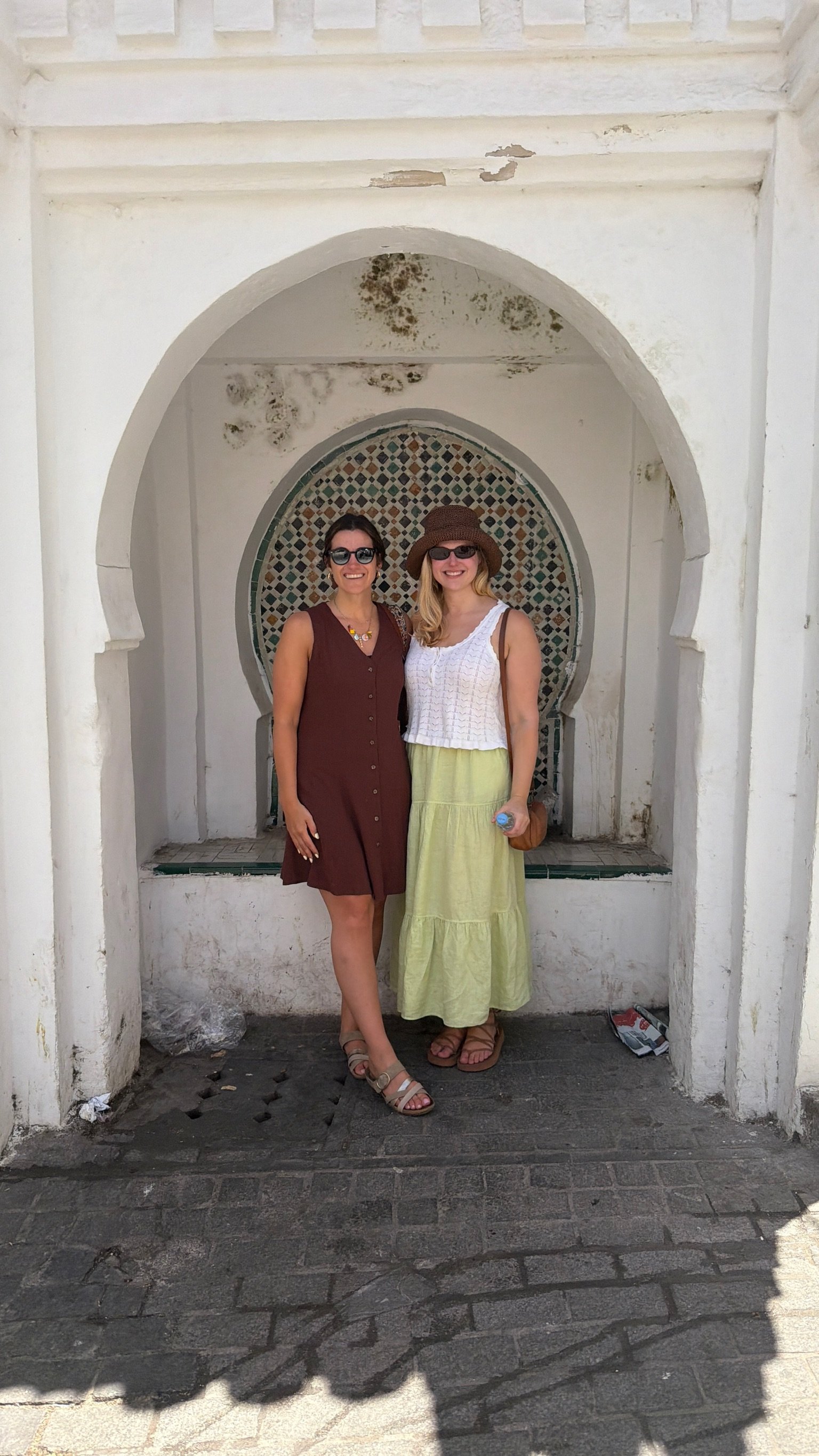
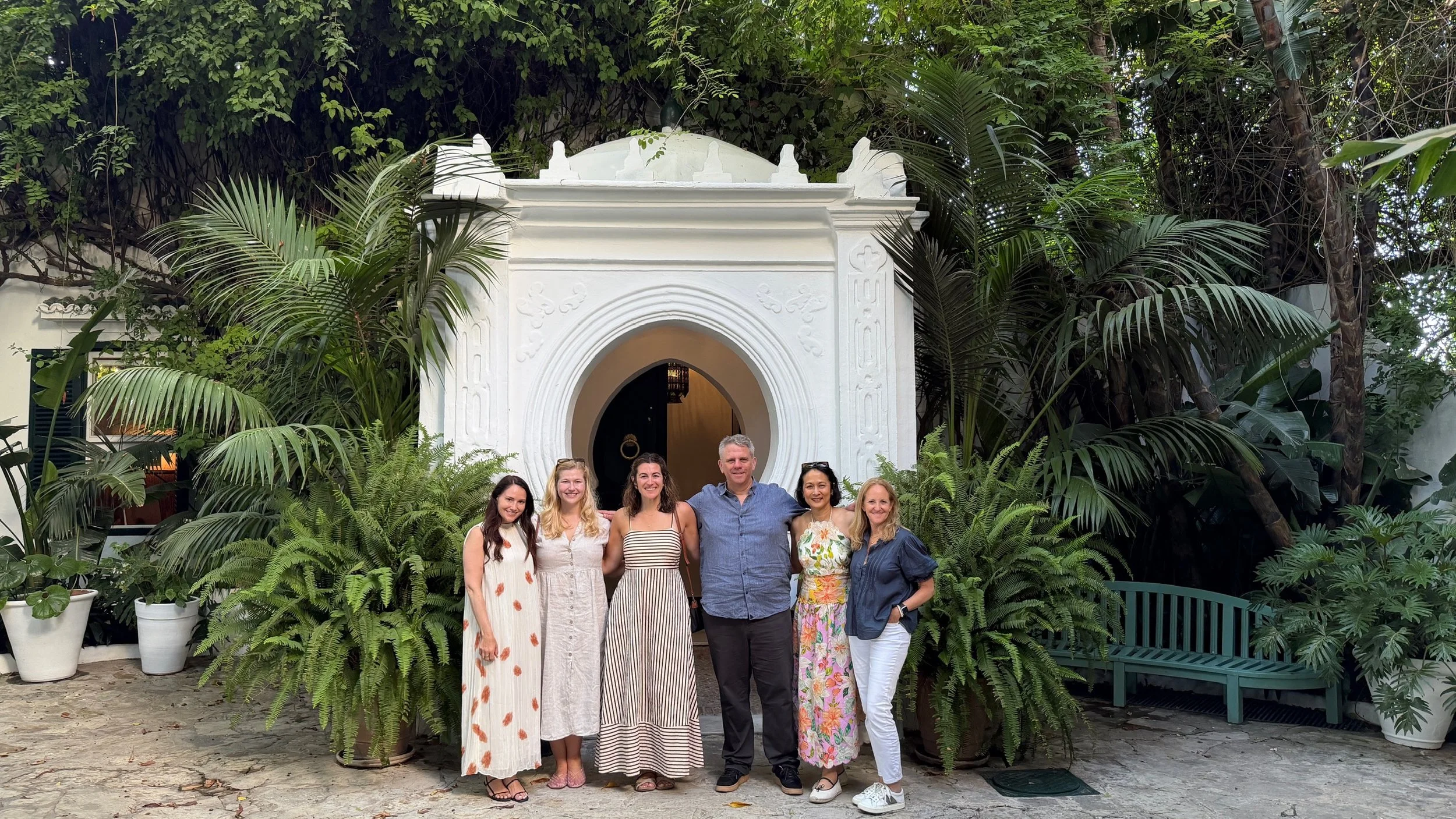
Just twenty minutes from the airport sits Fairmont Tazi Palace Tangier, the city's only true luxury resort. Once a royal palace, it perfectly blends historic grandeur with modern elegance, making it an ideal place to recover after an overnight flight before diving into Morocco's vibrant cities.
Tangier itself feels refreshingly cosmopolitan. It's calmer than Marrakech, shaped by centuries of European influence, and offers a wonderful “soft” introduction to Moroccan culture.
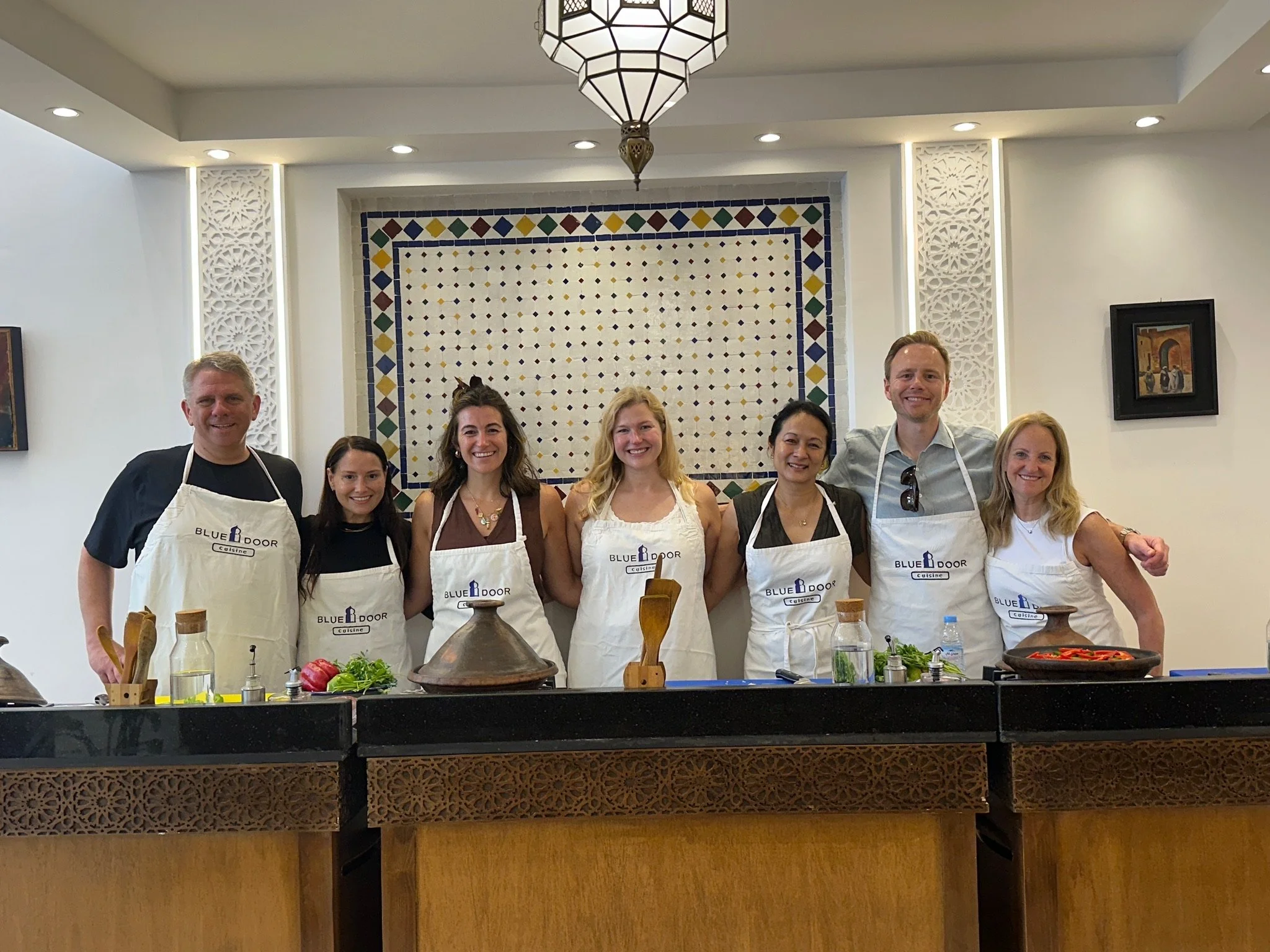
Between visits to historic madrasas (schools), bustling souks, and hidden riads, we also took part in one of my favorite experiences of the trip: a cooking class that began with shopping alongside our chef in the local market before preparing classic Moroccan dishes together.
As with so much in Morocco, food became another way to understand the culture.
One of my favorite discoveries was Villa Mabrouka, once the private home of Yves Saint Laurent. Today, this intimate boutique hotel features just twelve uniquely designed rooms overlooking the Mediterranean. Even if you aren't staying overnight, its oceanfront terraces make it one of the most memorable lunch or dinner reservations in the city.
Every Cup of Tea Tells a Story
If Italy has espresso and Argentina has maté, Morocco has mint tea.
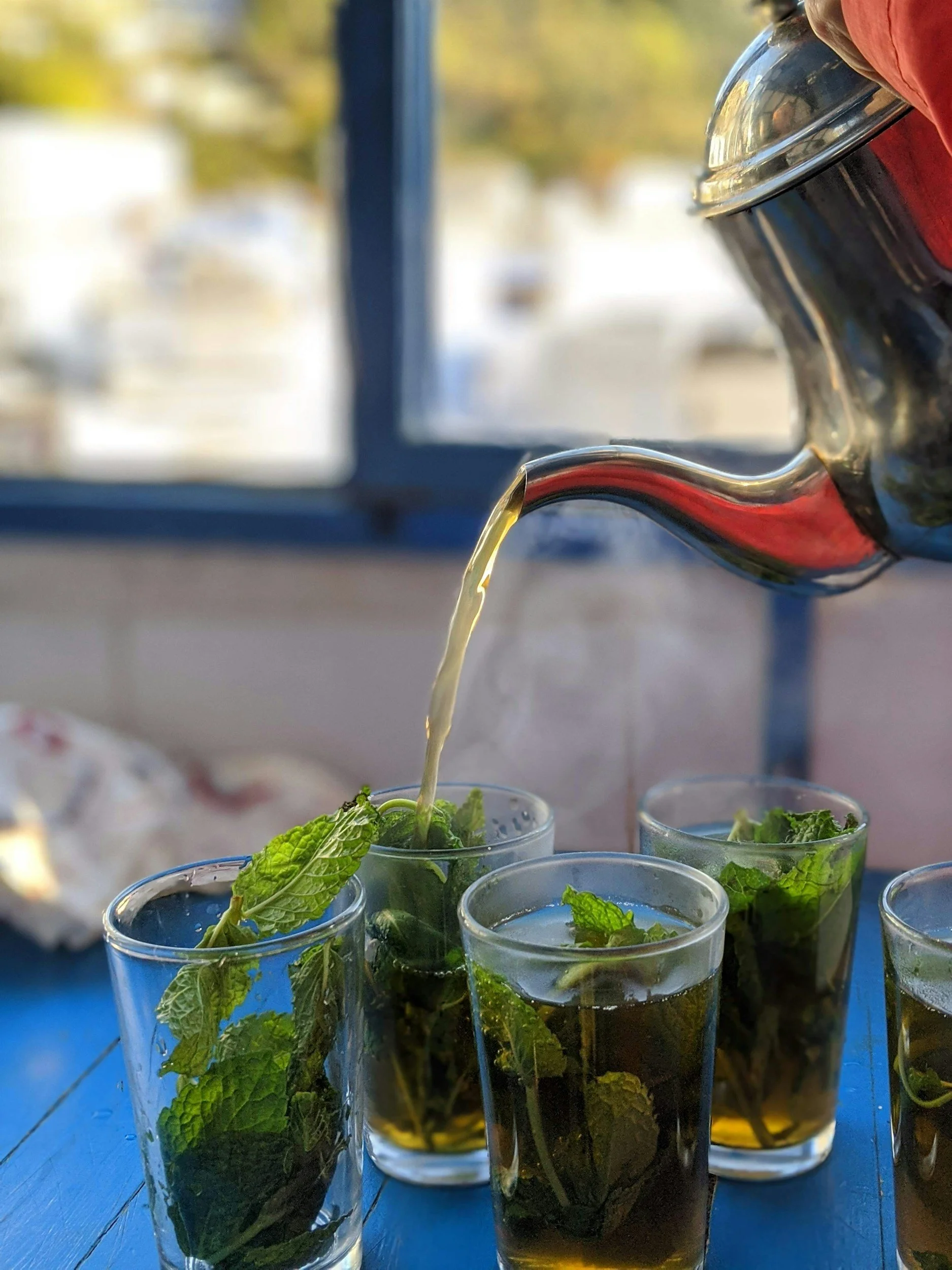
But it's much more than a beverage. Tea represents hospitality, friendship, and welcome.
Our hosts explained that tea is traditionally poured from high above the glass to create foam—a practice that originated with the Amazigh (formerly called Berber) people, who filtered desert sand this way centuries ago.
We also learned the surprising symbolism of sugar.
In Morocco, sugar is given at weddings to wish the couple a sweet life. It's brought to funerals to hope for sweeter days ahead. It even accompanies marriage proposals.
These are the kinds of cultural nuances that rarely make it into guidebooks—but become unforgettable when shared by local experts.
Chefchaouen: The Blue City Beyond Instagram
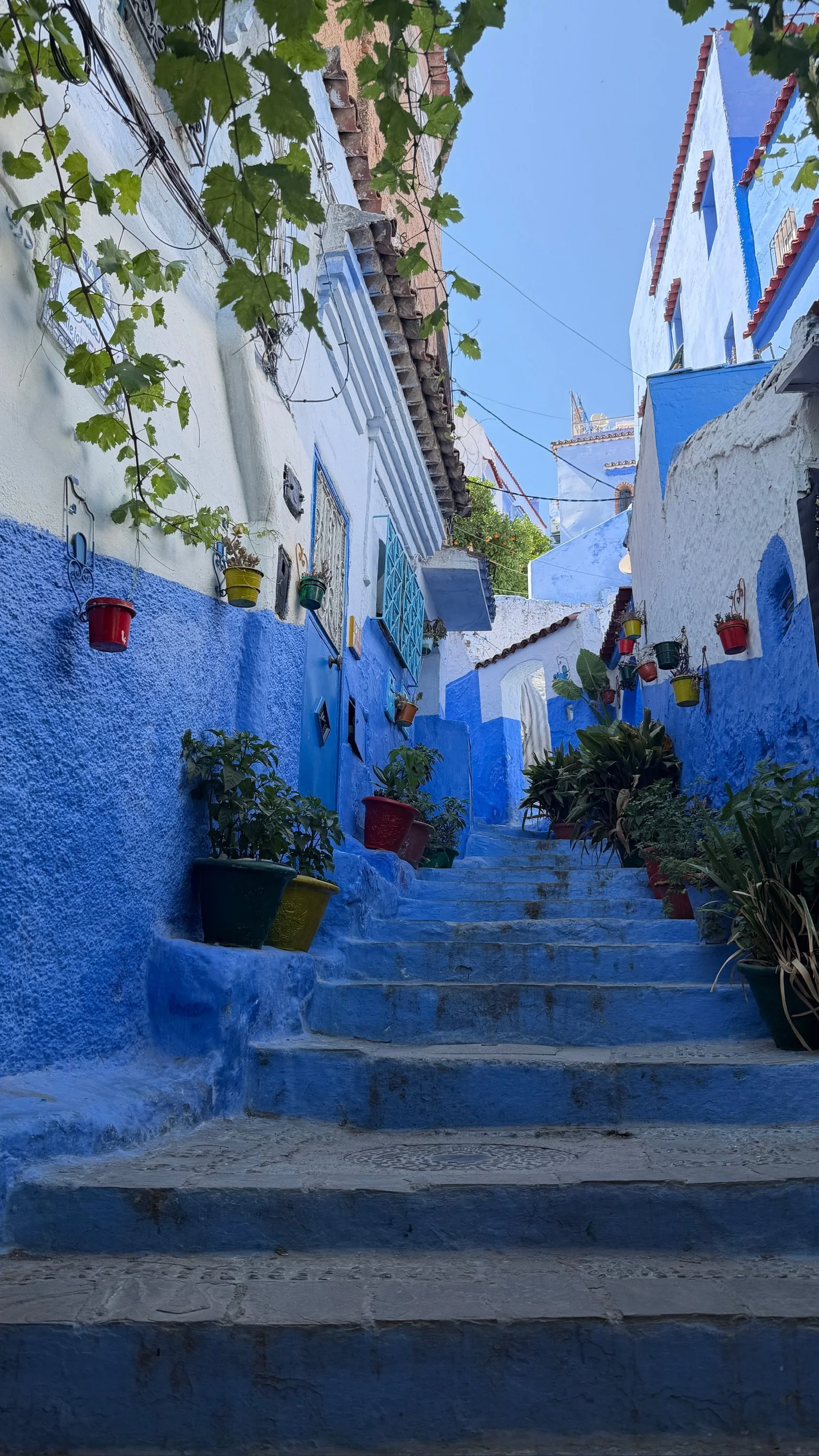
It's easy to think Chefchaouen became famous because of Instagram. The reality is much richer.
The city's iconic blue streets trace back to Jewish refugees fleeing the Spanish Inquisition, who painted their homes blue as a symbol of peace and spirituality.
Walking its peaceful alleyways early in the morning—before the day-trippers arrive—felt almost meditative. Unlike many heavily photographed destinations, Chefchaouen still manages to feel authentic. It's one of those places where putting your camera down becomes just as rewarding as picking it up.
Fes: Morocco's Living Museum
If Marrakech is Morocco's vibrant heart, Fes is its soul.
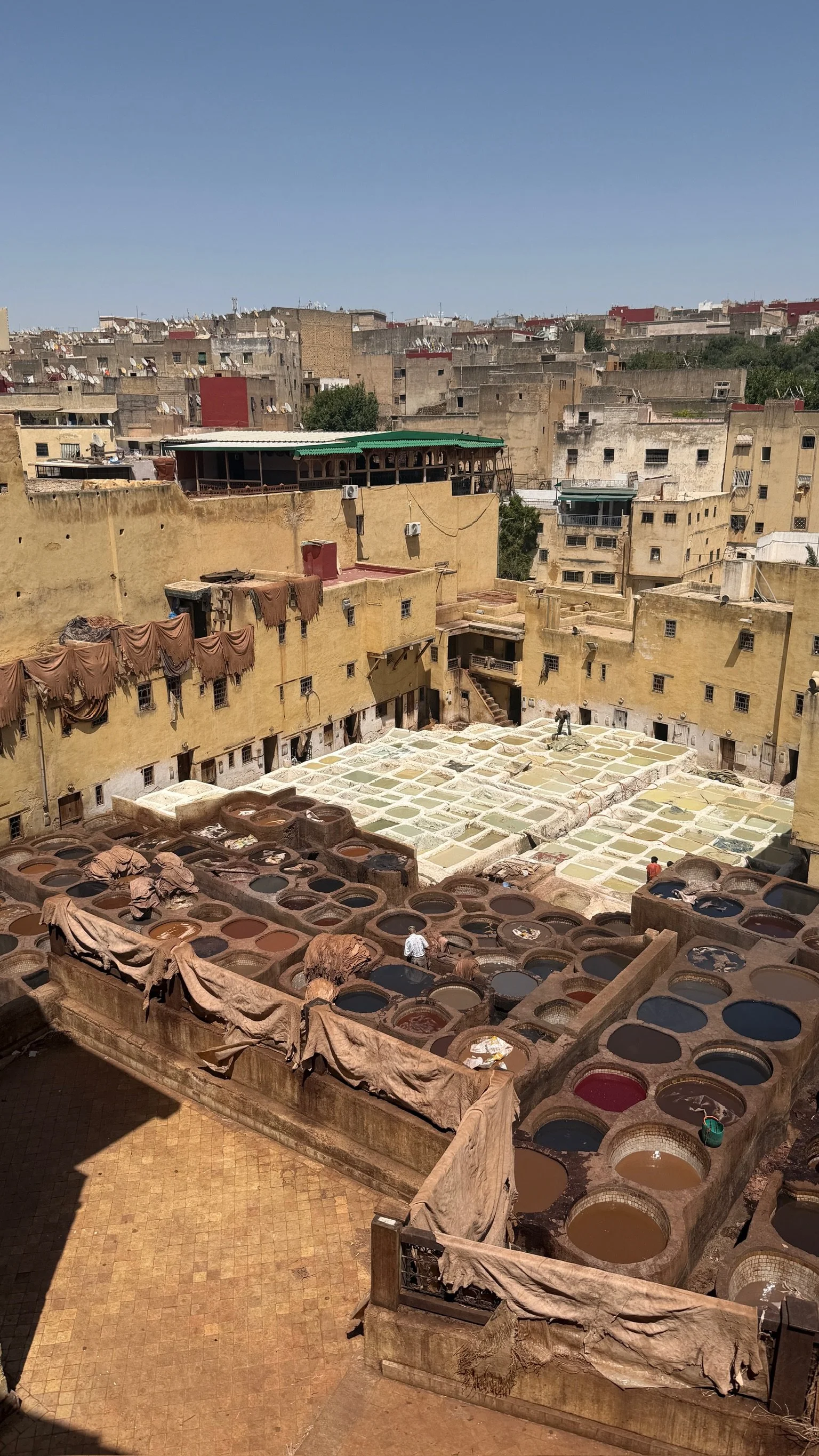
Founded in 808 AD, Fes is home to the world's largest car-free urban area and the oldest continually operating university on Earth—founded remarkably by a woman, Fatima al-Fihri, in 859.
Getting lost here isn't simply inevitable. It's part of the experience.
One moment you're watching artisans handcraft brass lanterns. The next you're stepping into the world's oldest leather tannery, where traditional methods dating back to the 13th century are still practiced today.
Luxury in Morocco Looks Different
Many travelers picture grand hotels when they think of luxury. Morocco certainly has those… But some of my favorite properties felt more like private homes than hotels. Throughout our journey, we experienced an incredible range of accommodations, each offering its own distinct interpretation of Moroccan luxury.
Along the Mediterranean coast, Royal Mansour Tamuda Bay offers an unexpected beach escape, where private pool villas, expansive spas, and tranquil shores rival some of Europe's most exclusive seaside resorts.
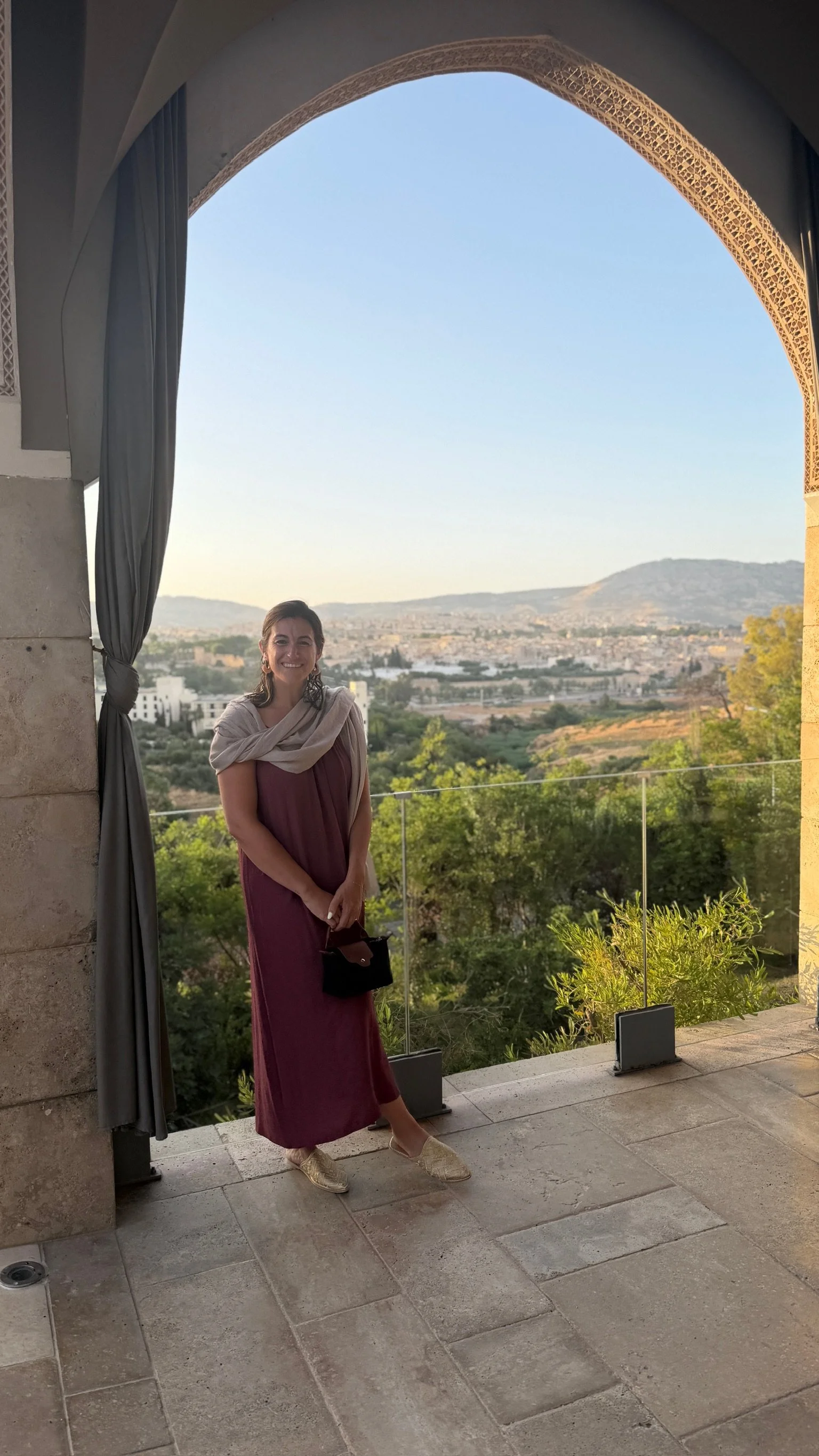
In Fes, Riad Fes transported us centuries back in time with its intimate courtyards, intricate architecture, and timeless elegance, while nearby Hotel Sahrai offered a more contemporary retreat overlooking the ancient medina.
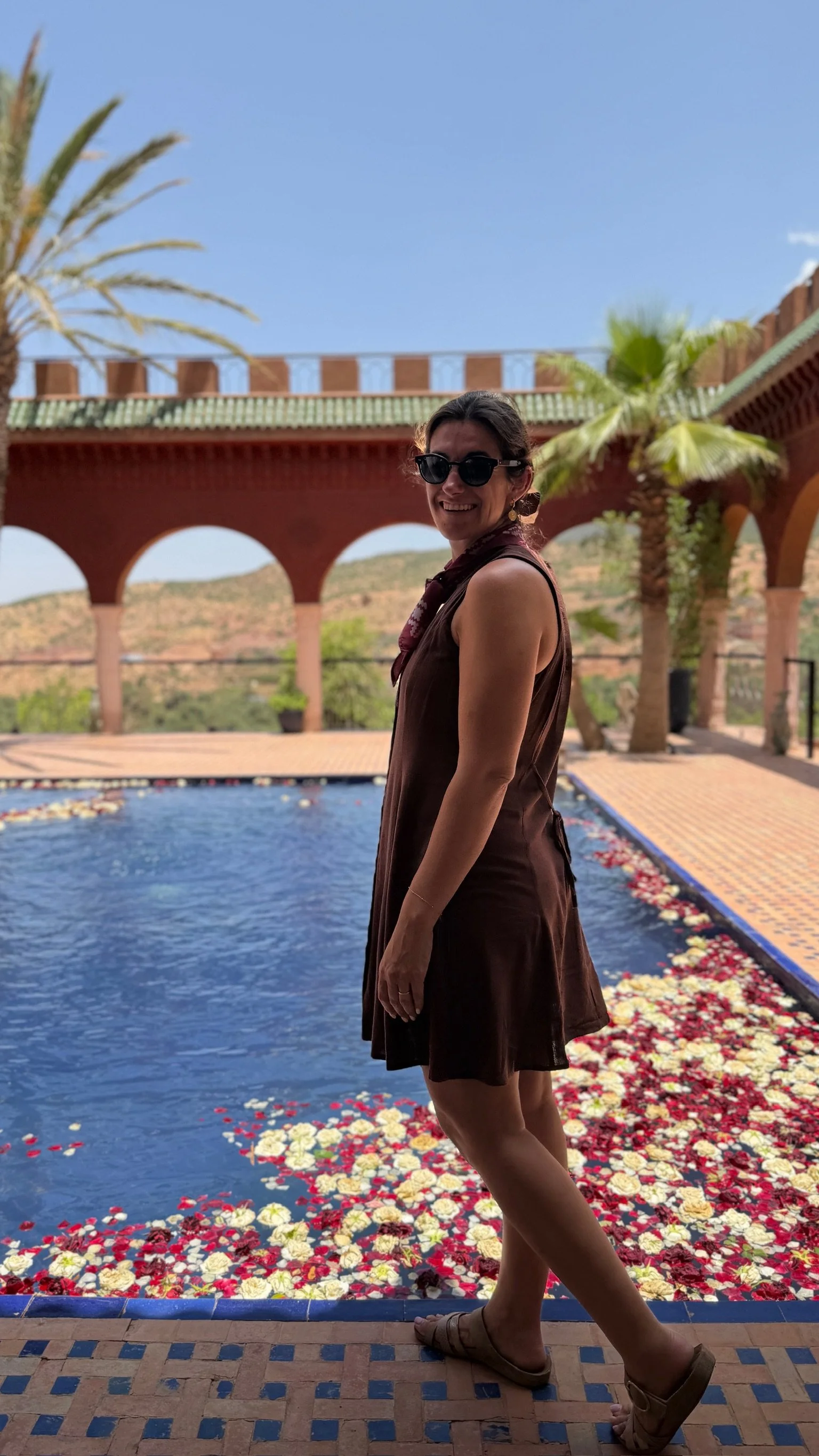
Marrakech and the surrounding mountains showcased Morocco's remarkable diversity in luxury hospitality—from the intimate charm of Villa des Orangers, to the legendary gardens of La Mamounia, the understated elegance of Olinto, the grandeur of The Oberoi Marrakech, the mountain serenity of Kasbah Tamadot, and finally the incomparable Royal Mansour Marrakech, where each guest stays in an individual three-story riad and an entire hidden underground city allows staff to provide seamless service without ever interrupting the guest experience.
Each property felt entirely different. And that's exactly what makes Morocco so special.
Luxury here isn't defined by thread count or marble bathrooms.
It's defined by craftsmanship, storytelling, and an incredible sense of place.
Into the Atlas Mountains
One of my favorite days took us beyond Marrakech into the High Atlas Mountains.
This region—still recovering from the devastating 2023 earthquake—is home to Morocco's Amazigh communities, whose traditions have remained remarkably preserved for centuries.
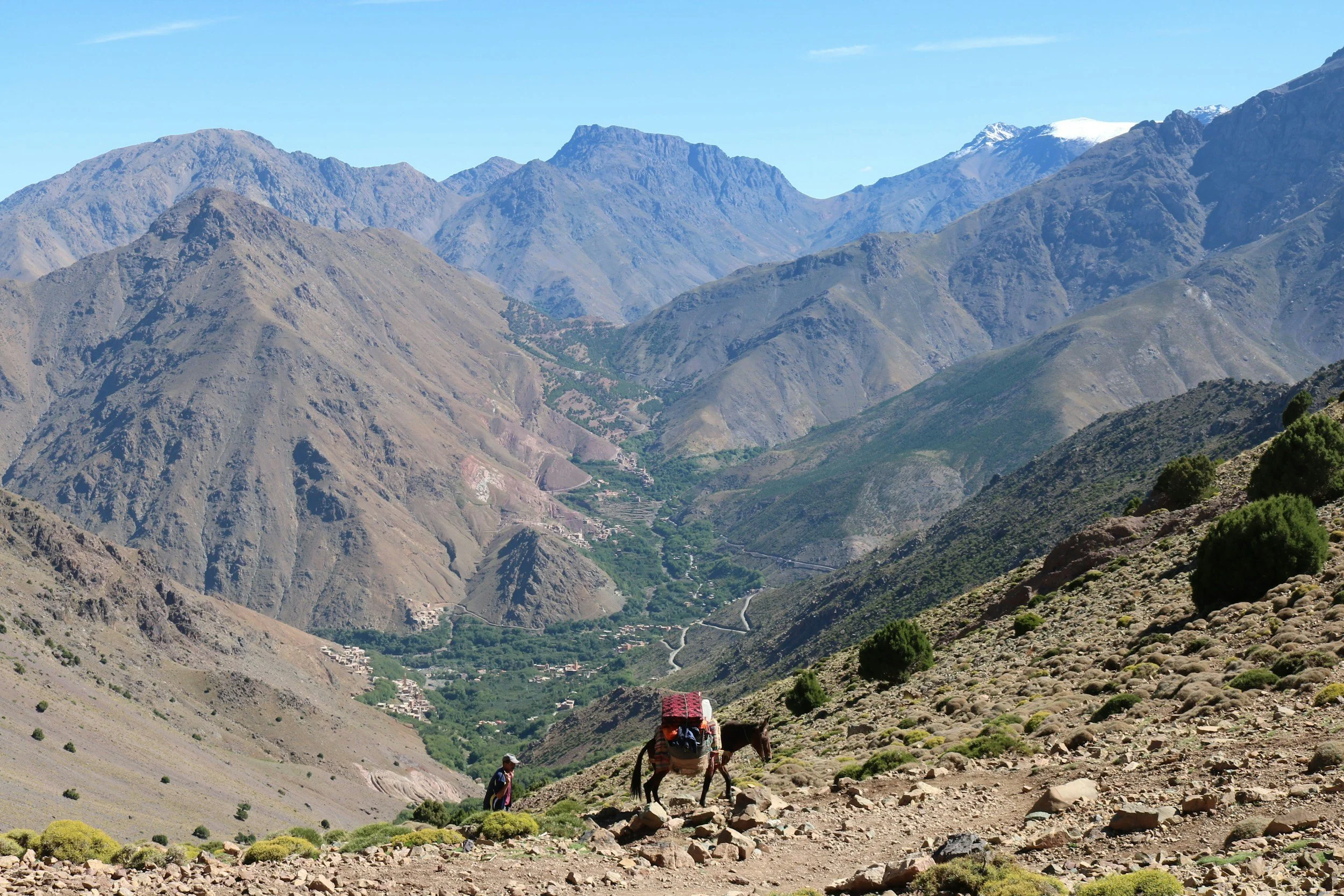
Here, we learned about life in the mountains, visited villages surrounded by apple orchards, and gained a deeper appreciation for Morocco beyond its famous cities.
For active travelers, the Atlas Mountains offer hiking, cycling, cooking experiences, and authentic cultural exchanges that many visitors never realize exist.
It's one of the country's greatest topographic treasures.
A Night I'll Never Forget
As if Morocco hadn't already given us enough unforgettable memories, it had one more surprise in store.
During our stay at La Mamounia, we gathered in the hotel's intimate private cinema to watch Morocco face Canada in the FIFA World Cup. When the final whistle blew, Morocco had secured its place in the quarterfinals—a historic achievement that sent the entire country into celebration.
Within minutes, we found ourselves in the streets of Marrakech alongside thousands of Moroccans. Cars sped through the roundabout with people waving flags from their windows, mopeds zipped past with riders blasting vuvuzelas into the night, families danced in the streets, and young boys leapt into the central fountain, completely drenched but grinning from ear to ear. Complete strangers hugged one another. Everyone belonged to the celebration.
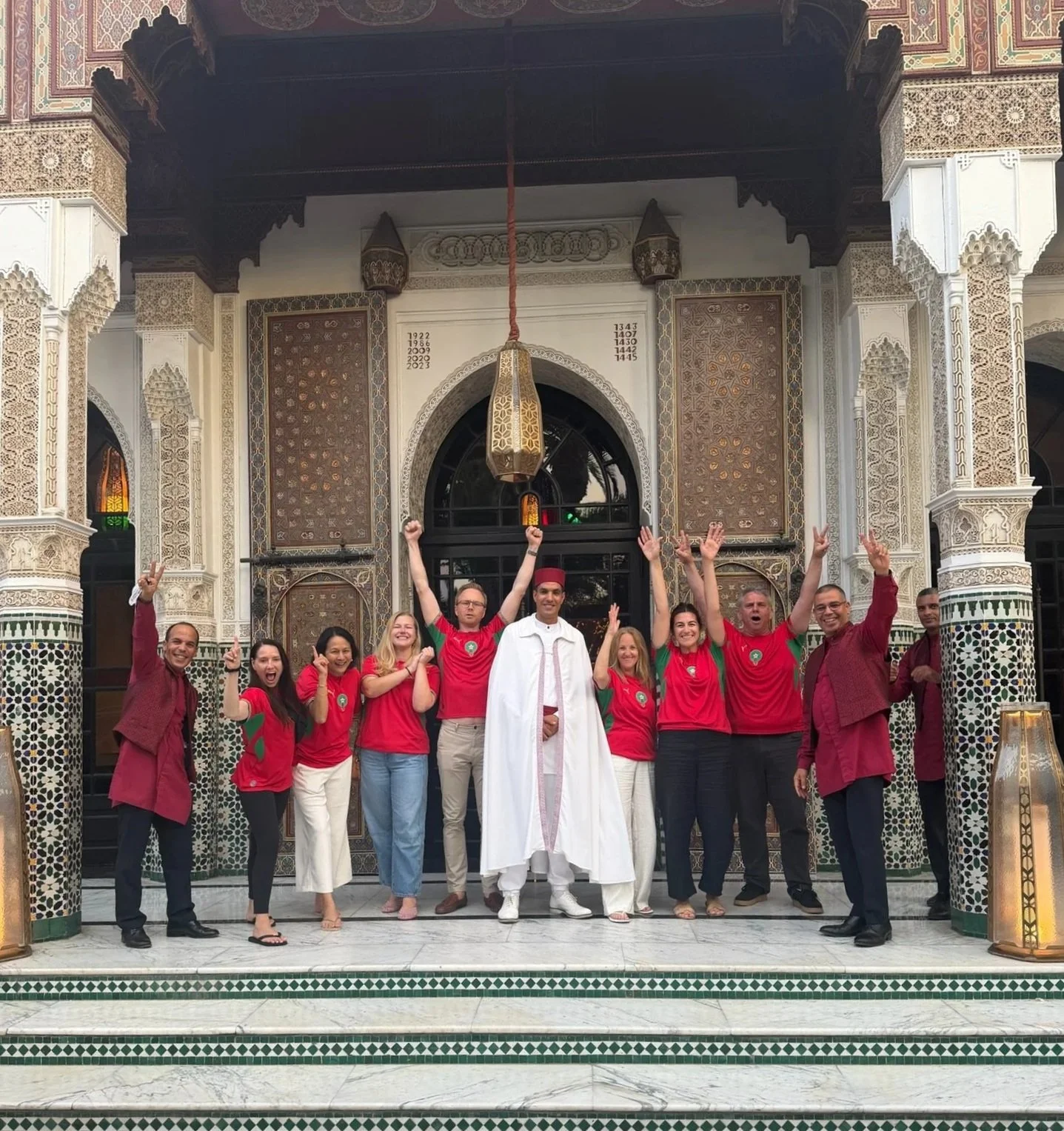
It was one of those rare travel moments that no itinerary could ever promise.
What made it even more meaningful was the sense of redemption it brought me personally. Sixteen years earlier, while studying abroad in Spain, I had watched Spain win the 2010 World Cup—but my strict study abroad curfew meant I had to return to my room just as the country poured into the streets to celebrate. I remember hearing the cheers echo through the city from my window, wishing I could be part of them.
Sixteen years later, halfway around the world, Morocco unknowingly gave me that chance.
Standing shoulder to shoulder with people celebrating one of the proudest moments in their country's history reminded me that some of the most meaningful travel experiences aren't found on a sightseeing list—they're the completely unexpected moments that allow you to witness a place at its most authentic, joyful, and alive.
It's a memory I'll carry with me forever.
Morocco Moves at Its Own Pace
One lesson I learned quickly?
Nothing in Morocco should be rushed.
Lunch might last three hours. A cup of tea becomes an hour-long conversation. A visit to a market turns into a lesson on spices, textiles, architecture, religion, and family traditions.
And honestly...That's exactly the point.
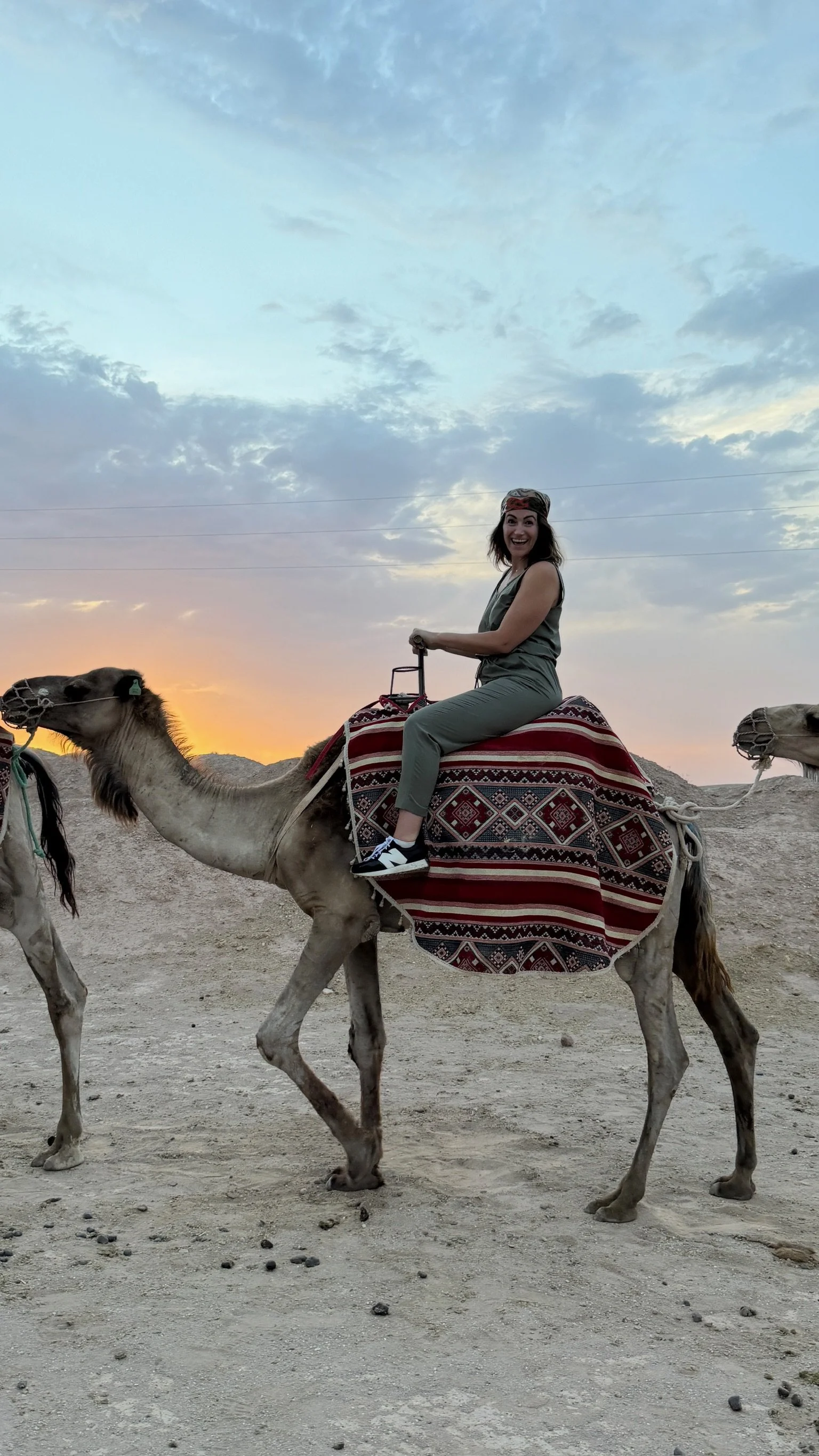
Morocco isn't a destination to conquer with a checklist (although, I did bring a lengthy shopping list with me!). It's one to experience slowly. The more time you give it, the more it gives back.
A Few Things That Surprised Me
Some of my favorite discoveries had nothing to do with luxury hotels or famous landmarks.
Morocco was the first country to officially recognize the United States in 1777.
Every major Moroccan city still has both a synagogue and Jewish cemetery, reflecting centuries of coexistence between Muslims, Jews, and Christians.
Every neighborhood traditionally has three essentials: a mosque, a communal bakery, and a hammam.
Weekly hammam visits remain an important social ritual for Moroccans.
Fridays belong to couscous—a tradition still observed by many families today.
Argan trees truly are unique to Morocco, and yes...the goats really do climb them.
It's these small details that transform a vacation into genuine cultural understanding.
Why Morocco Deserves More Than One Visit
By the end of 10 days, I realized I hadn't "done Morocco."
I'd simply been introduced to it.
I still haven't explored the Sahara Desert. I haven't surfed along the Atlantic coast. I haven't spent enough time in the mountains. I haven't returned during harvest season or spring when wildflowers blanket the valleys.
And I already know I'll be back.
Why You Should Plan Morocco with a Travel Advisor
Morocco is one of the most rewarding destinations I've ever experienced—but it's also one of the most logistically complex.
Choosing the right riad versus hotel can dramatically change your experience. Timing matters when navigating the medinas. The best local guides transform what could feel overwhelming into one of the richest cultural journeys you'll ever take.
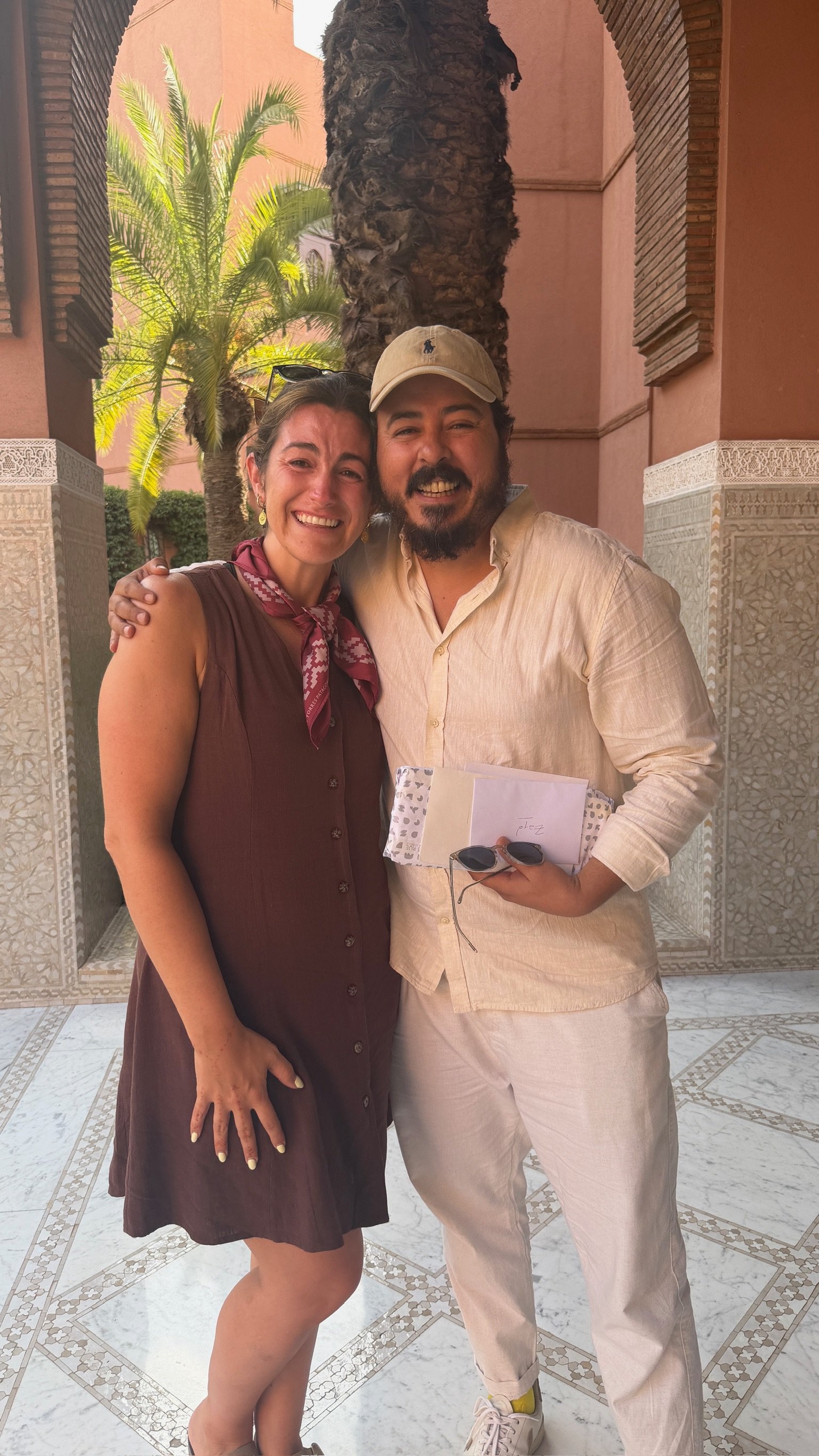
Working with trusted in-country partners means:
Access to exceptional private guides who bring Morocco's history, religion, and traditions to life.
Carefully selected riads and luxury hotels that match your travel style—not just your budget.
Seamless logistics between cities, mountains, and coastal regions (a private driver is a MUST).
Authentic cultural experiences like private cooking classes, artisan visits, hammams, tea ceremonies, and family meals.
Insider recommendations that help you avoid tourist traps and discover Morocco's quieter, more meaningful moments.
Perhaps most importantly, it allows you to simply be present. Instead of worrying about directions, logistics, or language barriers, you can focus on wandering ancient alleyways, lingering over another cup of mint tea, and admiring yet another impossibly beautiful ceiling overhead.
Because that's exactly how Morocco is meant to be experienced.
And trust me—you'll want to keep looking up.